Quiet Time Activities for Kids Ages 4 to 8
Simple, screen-free ideas for rainy afternoons, quiet hours at home and long car rides. Nothing fancy, just things that keep small hands busy and let everyone take a breath.
Why a quiet-time routine helps the whole family
Many kids ages 4 to 8 have outgrown naps but still need a break in the middle of the day. So do the grown-ups. A regular quiet time, even 30 to 45 minutes after lunch, gives everyone a calmer stretch to reset before the afternoon.
The routine matters more than the activity. When quiet time happens at the same time each day, in the same spot, kids stop arguing about it and start expecting it. Start with 15 or 20 minutes and add a few minutes each week. A timer they can see helps, because 'when the timer rings' is easier to accept than 'later'.
Quiet time is not a punishment, and it does not have to be silent. Humming while coloring, building, whispering to a stuffed animal: all fine. The only rules are that it is calm, mostly solo and screen free.
Make a quiet-time basket
A quiet-time basket is a box or basket that only comes out at quiet time. Because it is not around all day, the things inside feel a little special, and kids are happier to settle in with it.
Keep it small enough for your child to carry, and swap a few things every week or two so it stays interesting. Let your child help choose what goes in. They are more likely to use it.
- A maze or activity book and a few crayons or colored pencils
- Blank paper and a short list of drawing prompts
- A small set of blocks or interlocking bricks
- A sorting tray with buttons or pompoms, for kids who no longer put things in their mouths
- Two or three picture books or early readers
- A jigsaw puzzle with a manageable number of pieces
- Stickers and a sticker book
Paper activities: mazes, coloring and drawing
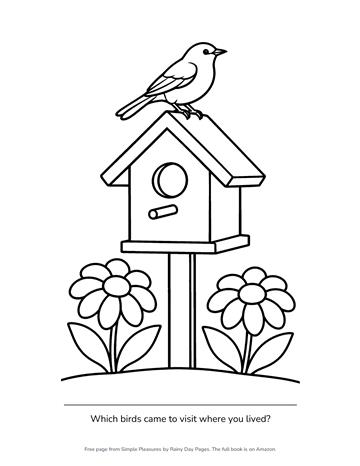
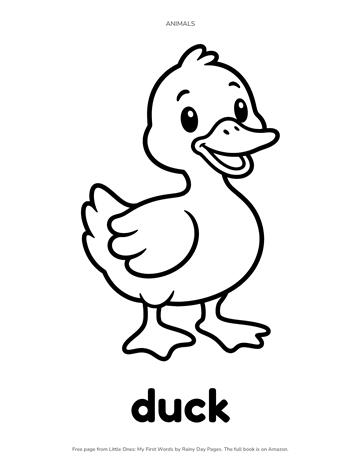
Paper activities are the backbone of quiet time because they need almost nothing and work anywhere. Mazes are a great fit for this age: a child can finish one in a few minutes, feel proud, and turn the page for the next. Coloring is just as good, especially pages with big shapes that do not take an hour to fill.
Drawing prompts help the child who stares at a blank page and says they do not know what to draw. Write a few on slips of paper, fold them up and let your child pick one.
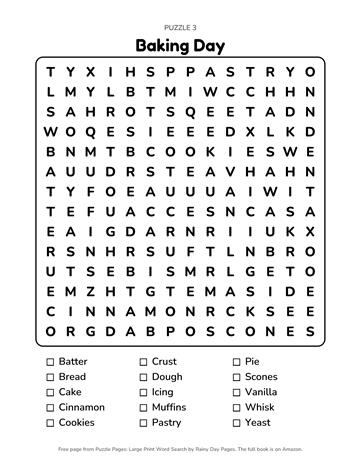
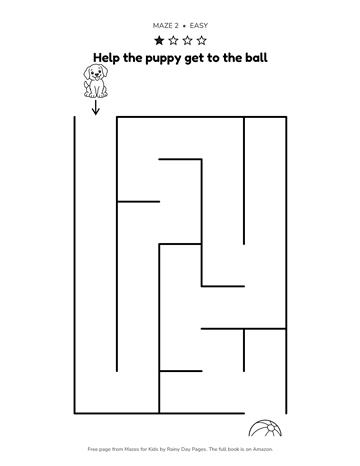
You can also print pages at home. One printed maze or coloring page on a clipboard is an easy way to try something new before you buy a whole book. There is a free printable maze on this page you can download and print.
- Draw your house as if it were made of candy
- Draw an animal wearing a hat and give it a name
- Draw what you would pack for a trip to the moon
- Draw the view from your window, then add something silly
- Draw your family as superheroes
Building, sorting and hands-on play
Some kids would rather use their hands than hold a crayon. Building and sorting give them something calm to do that still keeps them moving.
Blocks, interlocking bricks and magnetic tiles are all good choices. A small challenge gets them started: build a bridge your toy car can drive under, or build the tallest tower you can. For sorting, a muffin tin and a jar of mixed buttons or pompoms can keep a 4 or 5 year old busy for a surprisingly long time. Sort by color, then by size, then by shape.
Playdough with a few cookie cutters, lacing cards and simple jigsaw puzzles round out the list. Keep small pieces in a box with a lid so cleanup is quick.
Reading and audiobooks
Picture books are perfect for quiet time, even for kids who cannot read yet. Looking at the pictures and telling themselves the story is a skill too. Early readers can pick a short book and read it out loud to a favorite toy.
Audiobooks are a big help at home and in the car. Many public libraries lend audiobooks for free through their apps, so you can try lots of stories without spending anything. Pair a story with a coloring page or a box of blocks and a child can happily listen for a long time.
Road trip activities that work in the car
The car is a small, bumpy space, so the best road trip activities are simple and self-contained. A little planning before you leave saves a lot of frustration on the road.
- Give each child a clipboard. It makes a steady surface on a lap and holds an 8.5 x 11 inch page flat.
- Pack crayons or colored pencils, not markers. Markers lose their caps, dry out and end up on the seats.
- Make a small bag for each child with their own book, crayons, a snack and one small surprise. No sharing means fewer squabbles.
- Download a few audiobooks before you leave, in case you lose signal.
- Play games that need no supplies: I spy, spot the colors, or count the red cars.
- If a child feels queasy looking down at paper, switch to audiobooks and window games for a while.
Start easy so kids feel successful
The fastest way to lose a child's interest is an activity that is too hard. For quiet time, choose things they can do on their own with a little stretch, not things that need a grown-up every two minutes.
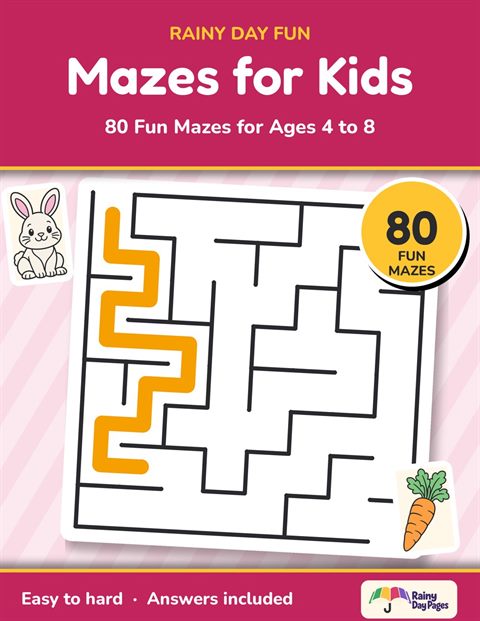
With mazes, start with easy ones even if your child seems ready for more. Finishing a few quickly builds confidence, and they will ask for harder ones when they are ready. Mazes for Kids is set up this way, with four levels from easy to hard and stars on every maze to show the level.
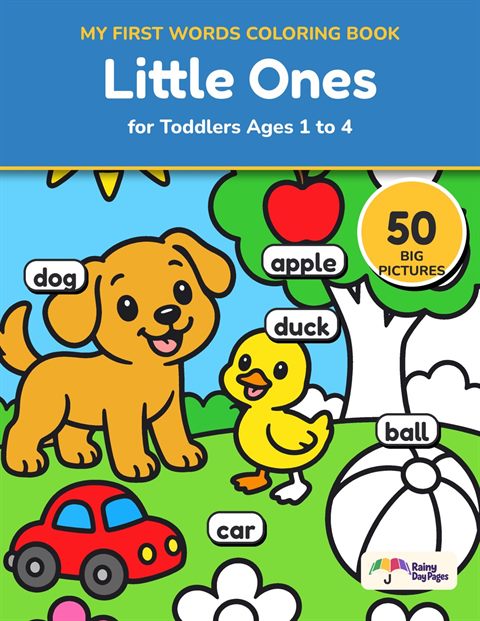
Ages vary a lot. A 4 year old may want wide paths, simple pictures and short sessions. An 8 year old may want twisty mazes, longer stories and bigger building projects. If a younger brother or sister is around, give them a toddler coloring book with big pictures so they can join in with a quiet activity of their own.
Praise the effort, not only the result. Telling a child you noticed how they kept trying on a tricky one goes a long way.
Books that fit
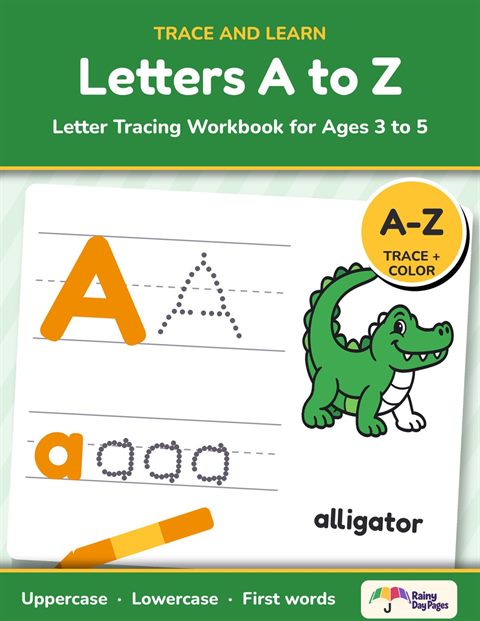
These books were made with quiet time in mind: one activity per page, big clear lines and nothing fiddly. Mazes for kids ages 4 to 8, letter tracing for preschoolers, and a first words coloring book for younger siblings.
Questions people ask
What are good quiet time activities for a 5 year old?
Mazes, coloring pages with big shapes, blocks, simple sorting games, picture books and audiobooks. Pick things your child can do alone without asking for help.
How long should quiet time last?
Start with 15 to 20 minutes and build up slowly. Many families settle on 30 to 60 minutes once the routine feels normal.
What can kids do in the car without a screen?
Mazes and coloring on a clipboard, audiobooks, and simple games like I spy. Pack crayons rather than markers, and a small bag for each child.
Are mazes good for kids ages 4 to 8?
Yes, they are a simple, satisfying paper activity at this age. Start with easy mazes so your child feels successful, then move on to harder ones.